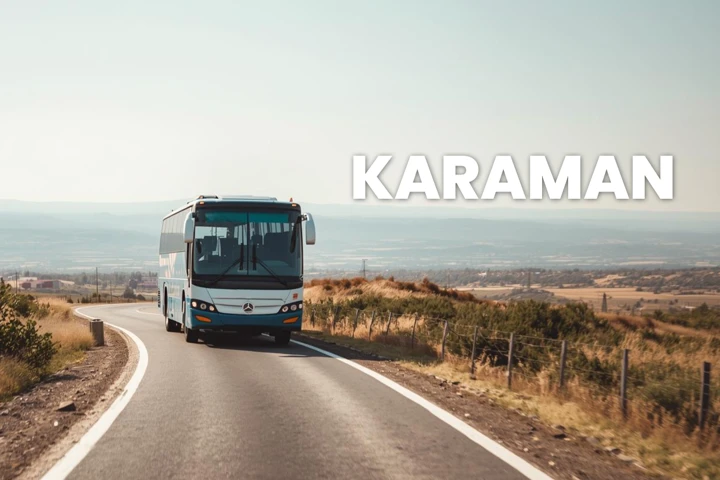
Karaman City Guide
Karaman is located in the Central Anatolia Region of Turkey, known for its deep-rooted history, cultural richness, and traditional Anatolian lifestyle. As of 2024, the city’s population is around 260,000.
Throughout history, Karaman has hosted many civilizations including the Hittites, Phrygians, Romans, Byzantines, Seljuks, and Ottomans. It served as the capital of the Karamanid Principality (Karamanoğulları), one of the most influential Turkish states of Anatolia. In 1277, Turkish was declared the official language here, earning the city the title “Capital of the Turkish Language.”
Situated on the northern slopes of the Taurus Mountains, Karaman’s economy is based on agriculture, food production, and textiles. It is one of Turkey’s leading cities in biscuit, pasta, and flour production.
The climate is continental — hot and dry in summer, cold and snowy in winter. The city offers a combination of cultural tourism, historical exploration, and nature adventures.
Places to Visit in Karaman
Historical and Cultural Sites in Karaman
- Karaman Castle: A Seljuk-era castle in the city center, built for defense and now a panoramic viewpoint.
- Yunus Emre and Tapduk Emre Tombs: The resting places of the famous Sufi poet Yunus Emre and his mentor, Tapduk Emre.
- Hatuniye Madrasa: Built in 1382 by the Karamanids, now serves as a cultural center.
- Tartan Mansion: A beautifully restored Ottoman house turned museum.
- İmaret Mosque: One of the city’s oldest mosques, built in 1433.
- Taşkale Grain Storages: Ancient cave-like structures carved into the mountain, still used for grain storage.
Natural Attractions in Karaman
- Manazan Caves: Rock-carved dwellings dating back to early Christianity.
- Gödet Dam: A peaceful spot for picnics, fishing, and nature walks.
- Ermenek Dam and Lake: A turquoise lake surrounded by mountains, ideal for boat tours.
- Karadağ (Mount Kara): An extinct volcano with hiking trails and ancient ruins.
- İncesu Cave: One of the longest caves in Turkey, famous for its stalactites and stalagmites.
Culture and Life in Karaman
Karaman hosts annual festivals such as the Turkish Language Festival, Yunus Emre Memorial Events, and Karamanoğlu Cultural Fair. Traditional crafts like carpet weaving, copperwork, and stone carving continue to thrive in local villages.
Karaman Intercity Bus Terminal
The Karaman Intercity Bus Terminal is located near the city center and serves daily routes to major Turkish cities such as Ankara, Konya, Antalya, Mersin, Adana, Istanbul, and Izmir. It has waiting halls, ticket offices, restaurants, prayer rooms, and convenience stores. City transport is provided via buses, minibuses, and taxis.
What to Eat in Karaman
- Batırık: A cold bulgur-based dish made with tahini, tomato, and spices.
- Arabaşı Soup: A spicy chicken soup served with dough pieces — a winter favorite.
- Kısır: A bulgur salad with tomato paste, lemon, and local spices.
- Etli Ekmek: A thin, crispy meat flatbread baked in stone ovens.
- Fresh Pasta: Karaman is a major pasta producer with various handmade types.
- Cevizli Kömbe: A local dessert made from dough, walnuts, and syrup.
- Tahinli Pide: A sweet flatbread topped with tahini, commonly served for breakfast.
How to Get to Karaman
- By Bus: Regular services from all major Turkish cities.
- By Train: The Konya–Karaman High-Speed Train connects Karaman to Konya in just 40 minutes.
- By Road: Ankara–Karaman 370 km (~4.5 h), Konya–Karaman 100 km (~1 h), Antalya–Karaman 340 km (~5 h).
- By Air: The nearest airport is Konya Airport, approximately 120 km away.
Bus Companies Operating in Karaman
- Metro Turizm
- Kontur Turizm
- Varan Turizm
- Öz Erciş Turizm
- Pamukkale Turizm
- Seç Turizm