











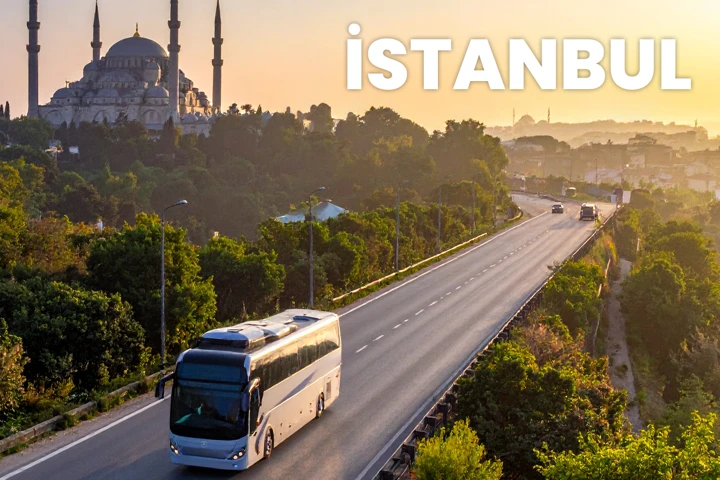
Istanbul City Guide
General Information about Istanbul
Istanbul is the largest and most populous city in Turkey, with a population of over 16.5 million (2024). Located in the Marmara Region, the city uniquely spans two continents, Europe (Rumelia) and Asia (Anatolia), divided by the Bosphorus Strait. This makes Istanbul the only city in the world situated on two continents.
The history of Istanbul stretches back 8,500 years, to the Neolithic Age. Originally founded as Byzantion in the 7th century BC, it was renamed Constantinople when it became the capital of the Roman Empire under Emperor Constantine, and later took the name Istanbul during the Ottoman period. Throughout its long history, the city served as the capital of three great empires: Roman, Byzantine, and Ottoman.
In 1453, Sultan Mehmed II (Mehmed the Conqueror) captured Constantinople, making it the capital of the Ottoman Empire. It remained so until 1923 when the Republic of Turkey was established and the capital was moved to Ankara. Nevertheless, Istanbul has continued to be the economic, cultural, and commercial heart of Turkey.
Geographically, Istanbul lies at 41° N latitude and 29° E longitude, with an area of 5,343 km² and an average elevation of 100 meters above sea level. The city is surrounded by the Marmara Sea, Black Sea, Golden Horn (Haliç), and the Bosphorus. The Bosphorus, about 30 km long, connects the Black Sea to the Marmara Sea and has made Istanbul a strategic hub for trade, culture, and geopolitics throughout history.
The climate is transitional between Mediterranean, Black Sea, and continental. Winters are mild and rainy, while summers are hot and humid. The Bosphorus and coastal areas are especially known for their high humidity.
Economically, Istanbul generates nearly 30% of Turkey’s GDP. It hosts the Istanbul Stock Exchange (Borsa İstanbul), the headquarters of major banks, multinational corporations, and industrial centers. The city is a hub for finance, trade, logistics, tourism, and culture.
Culturally, Istanbul boasts numerous UNESCO World Heritage Sites, including Hagia Sophia, Topkapi Palace, the Blue Mosque, and the Grand Bazaar. It is also the center of Turkey’s artistic and cultural life, with countless galleries, theaters, concert halls, and international festivals.
Istanbul is home to some of Turkey’s most prestigious universities, such as Boğaziçi University, Istanbul University, Istanbul Technical University, Sabancı University, and Koç University. This makes the city not only an economic center but also an important educational hub.
Demographically, Istanbul reflects a cultural mosaic, shaped by migrations from across Turkey and neighboring regions. Communities from the Balkans, the Caucasus, Anatolia, and the Middle East contribute to its multicultural atmosphere. This diversity is reflected in the city’s cuisine, music, and daily life.
Today, Istanbul is recognized as one of the most significant global cities, blending history, culture, and modernity in a unique way. Often referred to as the “Capital of the World” or the “City of Cities,” Istanbul truly stands as a bridge between civilizations.
Places to Visit in Istanbul
Historical Sites & Cultural Heritage
- Hagia Sophia (Ayasofya): Built in 537 by Emperor Justinian, it was the largest cathedral of its time. Later converted into a mosque, then a museum, and since 2020 it functions again as a mosque. It is a UNESCO World Heritage Site.
- Topkapi Palace: Built in 1478 by Mehmed the Conqueror, it served as the residence of Ottoman sultans for nearly 400 years. Highlights include the Harem, the Imperial Treasury, and the Sacred Relics.
- Blue Mosque (Sultan Ahmed Mosque): Built between 1609 and 1616, famous for its six minarets and stunning blue Iznik tiles.
- Basilica Cistern: A vast underground water reservoir built during the Byzantine era, supported by hundreds of columns.
- Istanbul Archaeology Museums: Houses artifacts from ancient civilizations, Byzantium, and the Ottoman Empire.
- Dolmabahce Palace: Built in the 19th century, it blends Baroque, Rococo, and Neoclassical styles. Mustafa Kemal Atatürk passed away here in 1938.
- Galata Tower: Built in the 14th century by the Genoese, offering panoramic views of Istanbul.
Bosphorus & Natural Beauty
- Bosphorus Strait: Separates Europe and Asia, lined with palaces, mansions, and bridges. Bosphorus cruises are one of the most popular tourist activities.
- Maiden’s Tower (Kız Kulesi): A small tower on an islet with legendary tales.
- Camlica Hill: A panoramic spot on the Asian side, offering breathtaking views of the city.
- Princes’ Islands (Adalar): A peaceful escape from city life, famous for historic mansions and bicycle tours.
- Belgrad Forest: A large natural area for walking, jogging, and picnics.
Modern Life & Culture
- Taksim Square & Istiklal Avenue: The heart of modern Istanbul, with shopping, dining, and cultural venues.
- Nisantasi: Luxury shopping district with designer boutiques and cafes.
- Kadikoy & Moda: Trendy neighborhoods on the Asian side, filled with art, theaters, and nightlife.
Bus Terminals in Istanbul
- Esenler (Grand Istanbul Bus Terminal): Opened in 1994, it is one of Europe’s largest bus stations, with 168 platforms and thousands of daily services to cities across Turkey and abroad. Connected to the city center by metro.
- Alibeykoy Terminal: A smaller but modern hub, mainly serving short-distance and regional routes.
- Harem Bus Terminal: Located on the Asian side, operating since the 1970s. Though smaller today, it still serves routes to Anatolia and the Black Sea.
- Dudullu Terminal: A newer terminal on the Asian side, important for inter-district and regional transportation.
What to Eat in Istanbul
Ottoman Palace Cuisine
- Hünkar Beğendi: Roasted eggplant puree with lamb stew.
- Mutancana: A sweet-and-savory lamb dish with honey and dried fruits.
- Mahmudiye: A chicken dish with almonds and apricots, once served in Ottoman palaces.
Street Food
- Fish Sandwich (Balık Ekmek): A famous delicacy sold in Eminönü near the Galata Bridge.
- Stuffed Mussels (Midye Dolma): A favorite among locals, found along the coasts.
- Wet Burger (Islak Hamburger): A garlic-sauced hamburger, popular in Taksim.
- Simit: A sesame-covered bread ring, often eaten for breakfast.
- Chickpea Rice (Nohutlu Pilav): Often sold with chicken, a beloved street food.
Desserts
- Baklava: A rich dessert with pistachios and syrup.
- Turkish Delight (Lokum): A traditional sweet, also popular as a souvenir.
- Kazandibi & Tavukgöğsü: Famous Ottoman milk-based desserts.
- Boza: A fermented drink, especially sold in the historic Vefa district.
Meze Culture
Istanbul’s seafood restaurants serve a variety of meze such as lakerda (cured bonito), haydari, tarama, and eggplant-based dishes.
Transportation to Istanbul
- By Bus: Regular services from all Turkish provinces.
- By Air: Two major airports – Istanbul Airport (on the European side, one of the largest in the world) and Sabiha Gökçen Airport (on the Asian side).
- By Train: High-speed trains connect Istanbul with Ankara, Konya, and Eskişehir.
- By Road: Major highways (TEM and E-5) link Istanbul to the rest of Turkey.
- By Sea: Ferries operate between Istanbul and cities like Bursa, Yalova, and Bandırma.
Bus Companies in Istanbul
- Metro Turizm
- Pamukkale Turizm
- Ulusoy Turizm
- Varan Turizm
- Anadolu Ulaşım
- Nilüfer Turizm